This is a collaborative post
Every photographer reaches a point where upgrading the camera body isn’t enough. They understand that it’s the lens that truly shapes their vision.
However, the sea of lens options can feel overwhelming. You find yourself surrounded by various questions. Should you start with a versatile zoom or commit to a prime lens? Do you need a fancy lens to capture stunning images? Can’t your phone do the job already? These are fair questions. But serious photographers often lean on dedicated gear for good reasons: flexibility and quality.
That said, choosing the right lens makes all the difference. This article will help you understand all the basic things regarding the lens types, compare options, and the right gear for your needs.
So, without any further ado, dive into the article!
Table of Contents
Understanding Lens Types
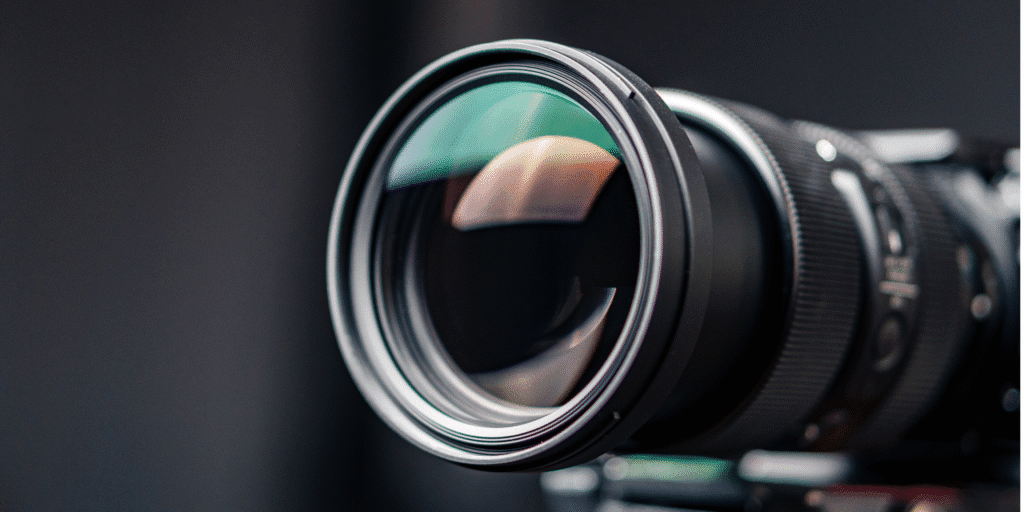
Before diving into what lens to use when, let’s clarify what we’re talking about. Basically, you will get two types of lenses:
- Prime Lens: Has a fixed focal length (e.g., 35mm, 50mm). No zooming—but better image sharpness and more light.
- Zoom Lens: Has a variable focal length (e.g., 18–55mm or 70–200mm). You can zoom in/out without moving.
Both have their place. The real magic is in knowing when to use which. So, let’s know!
When and Why to Choose Each Type
Now that you know the basic difference between the lenses, let’s dig a bit deeper. Choosing the right one depends on what you shoot, where you shoot, and the type of images you want to create.
A. Prime Lenses
Prime lenses offer a wider aperture (like f/1.4 or f/2.0). That means better performance in low light and gorgeous background blur (bokeh).
Why choose one?
- For portraits, food shots, or indoor photography.
- To learn better composition, because you have to physically move.
- They’re usually lighter and smaller than zoom lenses.
| Fact: A 50mm prime is often called a “nifty fifty.”It is perfect for storytelling shots that match your natural field of view. |
B. Zoom Lenses
They let you cover a wide-angle to telephoto in one piece of gear.
Why choose one?
- Great for travel, sports, or dynamic events.
- No need to swap lenses constantly.
- Helps you capture fast-moving kids, landscapes, or moments on the go.
A 24–70mm or 18–200mm zoom is a great all-rounder, especially if you want to carry just one lens.
Matching Lenses to Your Lifestyle and Budget
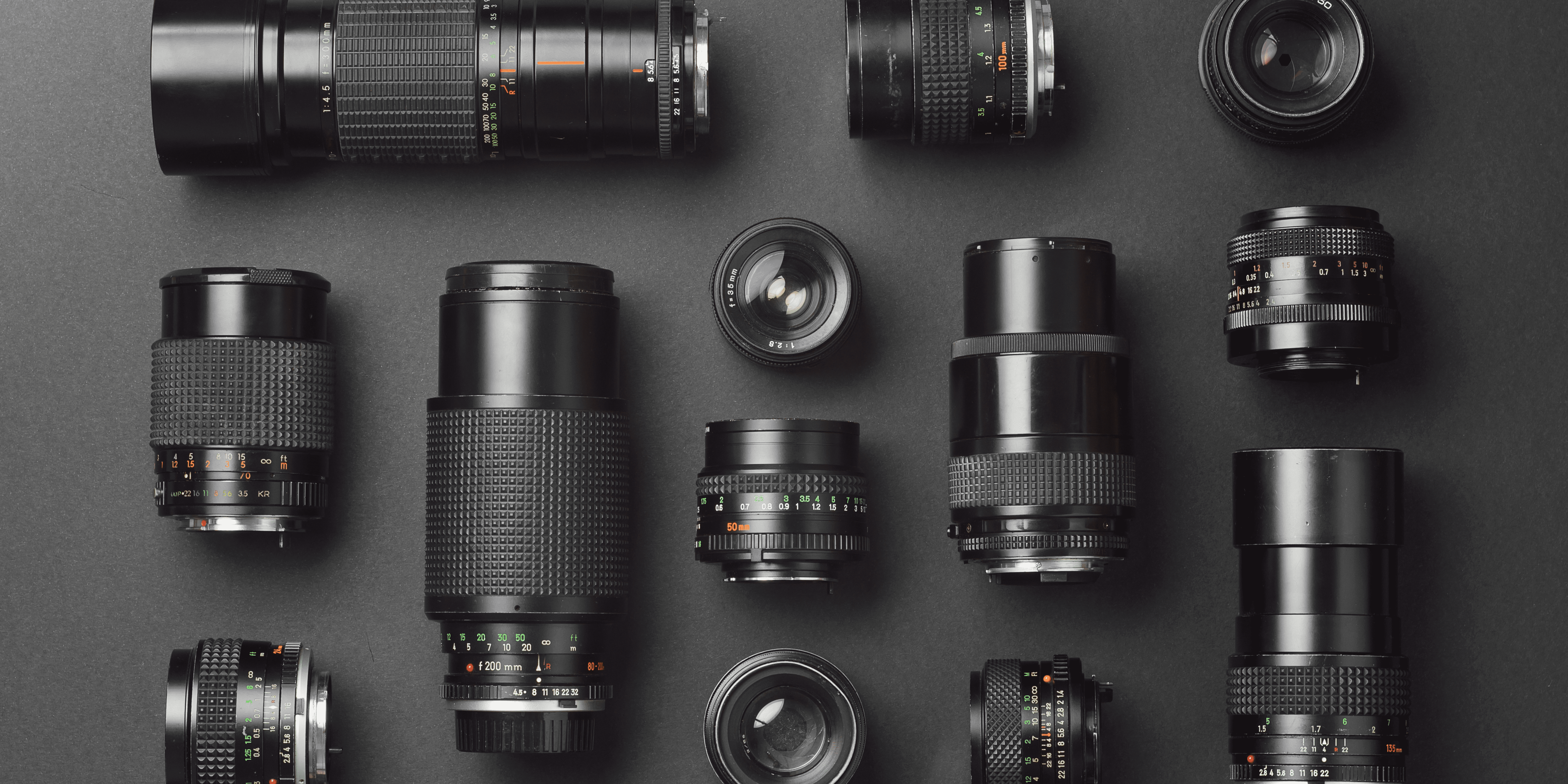
Now that you understand the types, it is time to choose what works best for you. And if you’re exploring affordable, high-quality options, Sigma lenses are a great place to start.
These are known for blending performance with value. Whether you’re a casual shooter or building a beginner kit, you will find:
- Art lenses for creative sharpness (perfect for portraits),
- Contemporary lenses for travel or everyday use, and
- Sports glasses for action shots.
Moreover, you’ll find a wide selection of such lenses at trusted online platforms like Adorama, which carries options for DSLR and mirrorless systems alike.
The Science Behind the Difference
The fundamental difference between these types goes beyond just the ability to zoom. Prime lenses are engineered with fewer moving parts and optical elements, which typically results in superior optical performance. With fewer glass elements to pass light through, there is less chance for distortion, chromatic aberration, or light loss.
Zoom optics, on the other hand, require complex internal mechanisms to maintain focus and image quality across their entire focal range. Modern zoom lenses have dramatically improved over the years, with some professional-grade zooms rivalling prime lenses in sharpness. However, they still generally can not match the maximum aperture capabilities of their prime counterparts.
Key Factors to Consider Before Buying
Are you still unsure which one to pick? No worries! You can use the given checklist to narrow your choices. Have a look below!
- What will you shoot most? (Portraits? Travel? Events?)
- Do you need flexibility or image sharpness?
- Does your camera support DSLR or mirrorless elements?
- Are you okay carrying extra gear, or do you prefer light travel kits?
- Do you shoot in low light often? (Look for wider apertures like f/1.4 or f/2.8).
- Does your camera body have built-in stabilisation? If not, choose lenses with OS (optical stabilisation).
| Pro Tip: You do not need to buy everything at once. Start with one lens that fits your current needs, then expand as your style evolves. |
To Sum It All Up!
There is no single best optics—only the one that fits your story. Many photographers use both, depending on the situation. Try using a lens before buying, or borrow from a friend to see what works best for you.
At the end of the day, photography is about capturing moments. When you pair the right gear with your curiosity and creativity, you will never miss a memory worth keeping.