

Most of us don’t really give much thought to the little box on the wall that controls the heating of our homes. You set it when you move in, maybe adjusting it when the seasons change, and then forget that it’s there – until a bill lands in your letterbox that really makes you consider your choices, that is.
Smart thermostats are meant to break that pattern, providing you with some actual control over how, when and where you heat your home. They promise savings, comfort, and convenience, but how do these promises actually hold up?
Table of Contents
Heating bill reductions

The biggest reason people look at smart thermostats is to reduce their bills. A traditional thermostat runs on a timer, with little regard for what’s actually happening in the house. Empty living room? Still heating. Everyone away for the weekend? Still heating.
A smart thermostat installed by Able Plumbers is more responsive. It can be updated to more easily notice when no one is home, and cut back accordingly. It can even factor in the weather – for example, if the forecast says it’ll be unseasonably warm one evening, it won’t push the boiler quite as hard as it would have otherwise in the hours before.
The savings aren’t always dramatic in a single week, but they definitely do add up. By the end of a year, a household might see enough of a drop in bills to make the device pay for itself!
Remote control changes habits

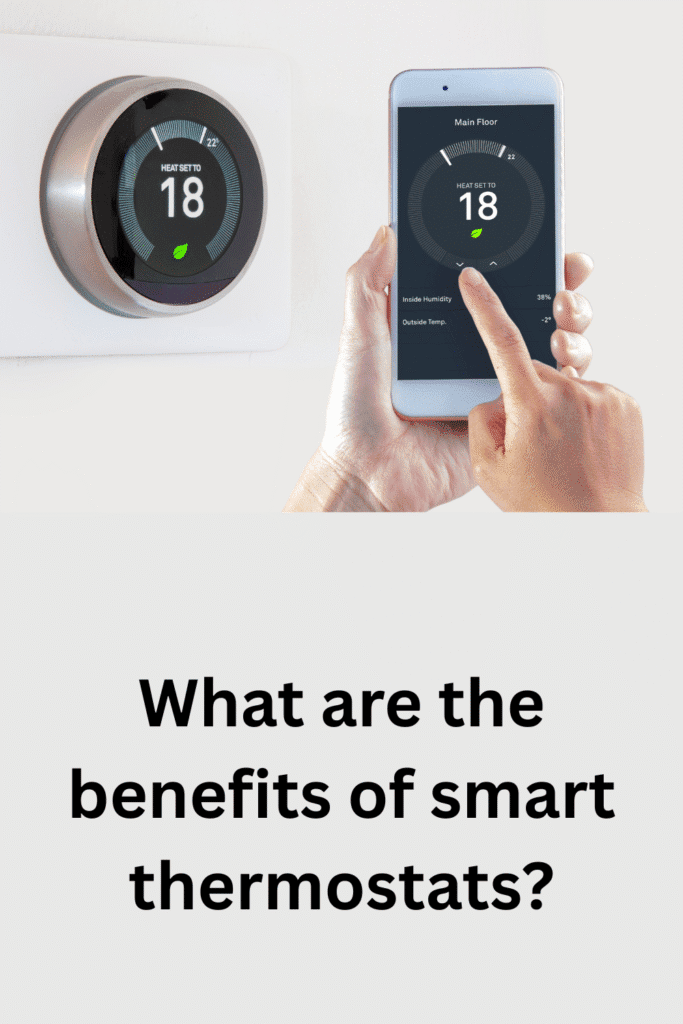
Then there’s the ability to tweak things from a phone, from anywhere with an internet connection. That feature sounds like a gimmick, until it saves you money and allows you to always get back to a perfectly warm home.
Working late? Delay the heating coming on. Heading home early? Warm the place before you arrive. It’s a small freedom, but for households with erratic schedules in particular, it avoids heating an empty house or coming home to a cold one.
Learning and adapting

One of the subtler benefits is that modern smart thermostats can increasingly learn from your behaviour. They notice patterns: when the house empties out, what times people wake, how warm things usually need to be.
Relatively quickly, they can be taught to build and understand your schedule. Instead of you trying to match timers with daily life, the thermostat does it for you – that reduces the fiddling and keeps the temperature (and your heating bills) more stable.
Room-by-room control

In bigger houses, the option to add smart radiator valves makes a huge difference. Suddenly you’re not heating every part of the building equally.
The spare room stays cooler when it’s empty, while the living room gets priority on Sunday evenings and a home office warms only during working hours. That zoning cuts waste and usually makes the home feel even more comfortable.
So is a smart thermostat worth it? In most cases, yes. It won’t fix poor insulation, but it will cut back wasted energy, give you more control, and bring comfort that’s consistent rather than hit-and-miss. The savings help a lot, and the real win might be that once it’s set up, heating is something you barely have to think about again.




A friend swears by the convenience of smart thermostats especially increasing the temperature at home after an evening out and she’s on the way home. Energy is so expensive now that control is even more important than ever.
I love smart thermostats as they really do give you the control no matter where you are