A cosy family home doesn’t come down to having the latest furniture, expensive accessories or a perfectly styled space. It’s about creating rooms that feel warm, welcoming and lived in, where everyone can relax and feel comfortable. With a little imagination, some clever planning and a focus on what really matters, you can make your home feel inviting without spending a fortune.
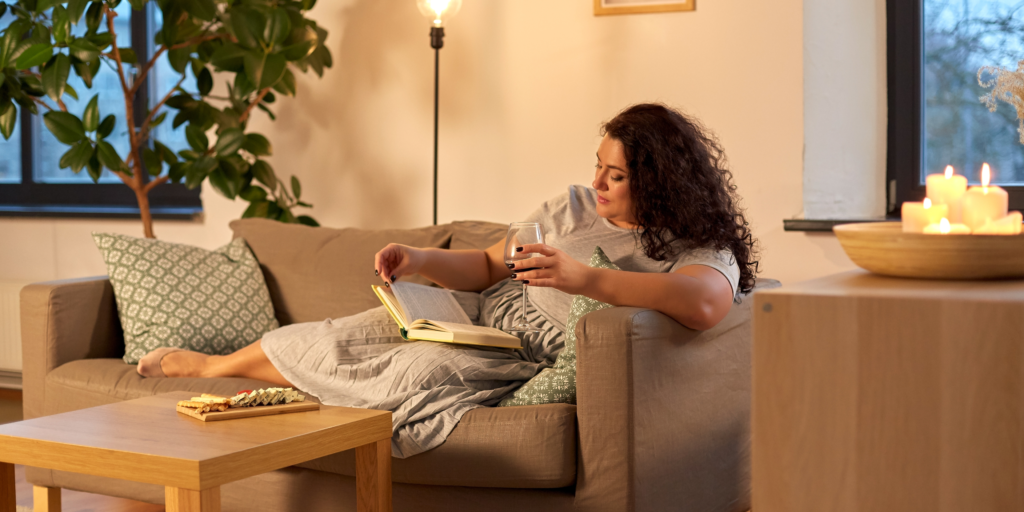
Table of Contents
Start with What You Already Have
Before buying anything new, take a fresh look at what is already in your home. Rearranging furniture, moving lamps between rooms, changing cushion covers or grouping favourite family photos together can make a space feel completely different. Wall art is another simple way to add personality, and affordable canvas prints can help bring colour and warmth to a room without a high cost. The key is to work with your existing pieces first, then only buy what truly improves the space.
Use Warm Lighting
Lighting has a huge effect on how cosy a home feels. Bright overhead lights can make a room feel harsh, especially in the evening, so try using softer options instead. Table lamps, floor lamps and wall lights create a gentler atmosphere and make living spaces feel more relaxed.
Warm white bulbs are usually better than cool white ones for family areas such as living rooms, bedrooms and dining spaces. You can also add battery-powered candles or fairy lights for a soft glow, particularly during autumn and winter. These small touches are inexpensive but can make a big difference.
Add Texture with Soft Furnishings
Soft textures instantly make a home feel more comfortable. Throws, cushions, rugs and curtains can help soften a room and make it feel warmer. Don’t aim to replace everything at once. Instead, start with one or two items, such as a cosy blanket on the sofa or a rug beside the bed.
Look for budget-friendly options in supermarkets, charity shops, discount homeware stores and seasonal sales. Mixing different textures, such as cotton, wool, fleece and velvet, can create a layered look that feels homely rather than overly styled.

Choose Calming Colours
Colour plays an important role in creating a cosy atmosphere. Warm neutrals, soft greens, muted blues, gentle pinks and earthy tones can all help a room feel peaceful and welcoming. You do not need to repaint the whole house to make an impact.
Painting one wall, updating a piece of furniture or adding accessories in calming shades can refresh a space affordably. If you are renting, removable wall stickers, textiles and artwork can introduce colour without making permanent changes.
Make Family Memories Part of the Décor
A family home should tell your story. Displaying children’s drawings, holiday souvenirs, old photographs and handmade decorations gives your home character. These personal touches often mean far more than expensive shop-bought items.
Try creating a small memory corner, a photo shelf or a rotating display for children’s artwork. Frames do not need to match perfectly; in fact, a mixture of styles can feel charming and relaxed. The aim is to create a home that reflects the people who live there.
Declutter Without Losing Comfort
A cosy home isn’t necessarily one filled with things. In fact, too much clutter can make a room feel stressful rather than comforting. The goal is to keep the items you love, use and need, while removing things that no longer serve a purpose.
Use baskets, boxes and shelves to keep everyday items organised. Storage can be anything from woven baskets to fabric cubes. Even repurposed crates can look attractive while keeping family life under control. A tidy space is often easier to enjoy.

Bring Nature Indoors
Natural elements can make a home feel calmer and more inviting. Houseplants, fresh flowers, pine cones, dried grasses, shells or small branches can all add warmth and interest. If you aren’t confident with plants, choose low-maintenance options such as spider plants, pothos or peace lilies.
You can also use natural materials like wood, rattan, linen and stone to add texture. Even a wooden tray on a coffee table or a few ceramic pots on a windowsill can help create a softer, more grounded feel.
Create Cosy Corners
Every family home benefits from small spaces designed for rest. This could be a reading chair near a lamp, a window seat with cushions or a quiet corner with blankets and books.
Think about how your family likes to relax. If you enjoy reading together, create a book basket. If film nights are popular, keep throws nearby. If someone needs a quiet place after school or work, make a peaceful nook with soft lighting.
Focus on Atmosphere, Not Perfection
The most inviting homes are rarely perfect. They have signs of life: shoes by the door, books on the table, toys in a basket and mugs in the kitchen. A cosy family home should feel comfortable and lived in.
With lighting, texture, personal touches, and thoughtful organisation, you can create a warm, welcoming home on a modest budget. Spend carefully, reuse what you can, and focus on the details that make your family feel happy, safe and at ease.
Contributed by Julia Evans