

You’ve probably heard more than one person announce that they’re ‘saving for a deposit for a house.’ But how much money are they referring to? Are we talking about putting away a bit of spare cash every month? Or enough to completely rethink their spending habits?
For anyone wanting to get onto the property ladder, the task of saving for a deposit sounds ambiguous at best and challenging at worst. If you’re new to the world of mortgages, it’s only natural to question how much you need to buy the type of house you want and why you need a deposit in the first place. Here, we look at the minimum amount you need to have tucked away, whether you can get a mortgage without any savings at all, and why speaking to an independent broker can help.
Table of Contents
How much is a deposit for a house?

Banks require a deposit as security for the mortgage they agree to lend you. Thanks to a government scheme that came into effect in April 2021, first-time buyers are now able to get a mortgage with a 5% deposit. So, if you have your eye on a property that costs £160,000, for example, you’ll need to have £8,000 saved up. The scheme is currently valid until 31st December 2023, meaning you can currently get a 95% mortgage deal with several banks who are on board. However, you may find that you’re more likely to get a better deal if you have a bigger deposit saved up when you start looking at properties, particularly with the government’s mortgage scheme set to end next month.
Can I get a mortgage without a deposit for a house?

Although some lenders offer 100% mortgages without a deposit for a house, the reality is that this situation is very rare. If you do manage to find a supplier who accepts a 0% deposit, there will be T&Cs you’ll need to have in place. One of these is having the financial backing of a guarantor, who will be responsible for making the payment on your behalf if you fail to do so. Although 100% mortgage agreements have their benefits, they can come with bigger financial risks and high-interest rates. Not only can this mean the total cost of your mortgage ends up being more expensive, but if property prices drop, then your home could end up being worth less than the figure you borrowed. Speaking to a broker will help you determine the best option and clarify whether a 0% deposit deal is a viable possibility.
How can I raise enough money for a deposit?
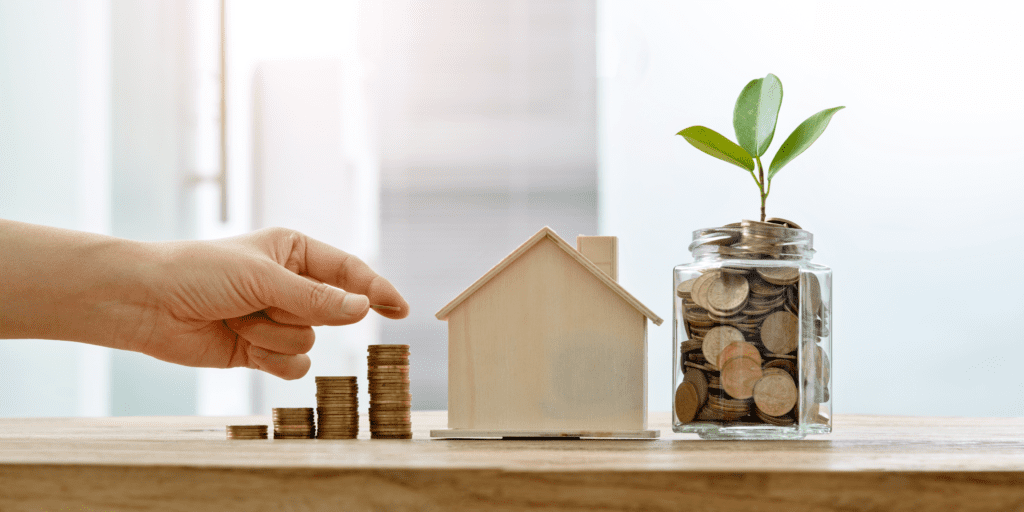
Most people who start saving for a deposit for a house choose to put cash into a savings account each month where they’re less likely to touch it. Setting up a direct debit for a set amount is a good way to do this, so the payment goes out with other regular bills. You can also make the most of the range of saving apps that are available on smartphones to help you put aside any spare cash towards a deposit. Lifetime ISAs are another scheme worth making the most of to boost the amount you save. As well as remaining tax-free, the money you accrue can receive a government bonus of up to 25%. You can invest a maximum amount of £4,000 a year, which can increase to £5,000 with the extra cash injection and help you to reach your target much faster.
Is there anything I can do while I’m saving for a deposit for a house?

Unfortunately, saving up for a deposit for a home can take a while, so use this time wisely to improve your chances of being accepted for a mortgage once you’re ready. Having a good credit history, for example, is something that lenders look at carefully, so make sure any repayments you have are made regularly and on time. A regular income is also important to have, along with being on the electoral register. You could also use the time you’re saving for a deposit to speak to a mortgage advisor about the type of financial agreement you want. Once they know about your employment status, monthly income and the amount you’re trying to save up, they’ll be able to advise you about the deposit you need and the sort of mortgage deal that’s best suited to your personal circumstances.




We’re on Help to Buy that started off with a 5% deposit but sadly that help to buy loan is over now and we have to pay around £300 a month. Ouch. I guess it’s the only way to get on the property ladder
I think these days it is the only way as traditional ways are unreachable
Excellent read – being prepared is half the battle – knowing what you are signing up fir is vital
It is important to understand everything
I think it is so hard to get on the property ladder these days as the house prices have gone crazy
I know it is scarely stupid, I looked at the price of my first flat recently that I paid £57,000 forr it is now £250,000
Really interesting for when you are buying a house. Thanks
There is a lot to take into account when buying your home