

Digital wallets, QR code payments, and instant transfers are no longer novelties. They are now an integral part of daily life. Yet, despite these modern conveniences, many Filipinos still maintain passbook savings accounts. At first glance, this may seem old-fashioned. But the enduring appeal of passbooks lies in their security, simplicity, and reliability. However, while this reliability is valuable, it can also be limiting if you rely on a passbook exclusively.
On the flip side, fully digital banking gives you speed and convenience. But it may lack the long-term clarity of a physical record. Fortunately, with a little planning, you can enjoy the best of both worlds. So, if you’re wondering how to open a bank account that combines both traditional and digital benefits, like a savings account from Maya, here are some tips:
Table of Contents
1) Keep a Passbook Account for Long-Term Security

Passbooks are not just for people avoiding technology. They’re also for anyone who values accuracy and a complete transaction history. For one thing, all activities are recorded in chronological order, and because they are printed directly by the bank, you can be confident in their authenticity. This means they are ideal for tracking your finances over months or even years without worrying about app updates, system glitches, or accidental deletions.
Additionally, they add a layer of protection. Many withdrawals or large transfers require the physical passbook to be presented at a branch, reducing the risk of unauthorized transactions. Even if your phone gets stolen or hacked, your passbook account remains unaffected, as it isn’t directly linked to your account.
As a result, if you want to safeguard emergency funds or large savings for a future purchase, such as tuition, a business venture, or a property down payment, keeping them in a passbook account ensures they remain intact and easy to monitor.
2) Add a Mobile App Account for Everyday Convenience

While a passbook offers stability, it doesn’t give you real-time access to your funds. Instead, you need to visit a branch to see the latest updates, which can be inconvenient for frequent transactions. A mobile banking account can help you solve that challenge.
With a banking app, you can instantly check your balance, pay bills, send money, or even shop online—whether you’re at home, commuting, or traveling abroad. Moreover, many banks integrate with e-wallets and QR payment systems, making transactions faster than counting change at the counter. Therefore, for day-to-day expenses like groceries, utilities, transportation, and online purchases, a mobile account is far more practical.
On top of that, mobile apps often include built-in spending histories and alerts for suspicious activity, helping you stay financially organized without having to crunch numbers manually.
3) Set Up Both Accounts
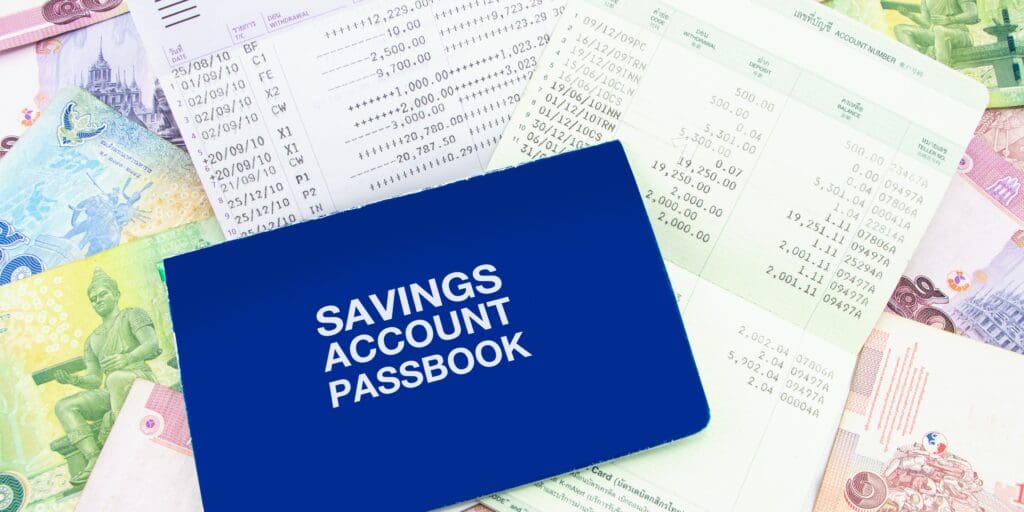
Start by choosing a reputable bank for your passbook account. To begin with, prepare at least one government-issued ID, proof of billing, and an initial deposit. It’s best to opt for a branch close to your home or workplace so you can update your passbook without much hassle.
Once that’s done, consider opening a separate account with a bank that offers a robust mobile app or even a fully digital bank. Many of these accounts can be opened entirely online by uploading photos of your IDs and completing a quick video verification. When deciding, choose one that suits your lifestyle. If you shop online often, look for apps with strong e-commerce payment options. Or if you frequently send money, prioritize low transfer fees and instant crediting.
4) Keep Your Accounts in Sync

Managing two accounts is simple if you create a consistent routine. For example, you might use your mobile account for receiving your salary and paying bills, then transfer any surplus to your passbook account for safekeeping. Likewise, when you need to make a large online payment, you can move funds from your passbook account into your mobile account.
To stay organized, update your passbook at least once a month, or sooner if you make significant transfers. This ensures your physical records stay aligned with your actual balance. In the meantime, keep digital receipts, transaction emails, or screenshots of mobile app transactions for reference. Eventually, this habit will give you a clear, accurate picture of your finances without creating extra work.
5) Strengthen Your Security Practices

Having two types of accounts doubles your flexibility but also means you must be extra vigilant with security. First of all, store your passbook in a safe location at home and avoid carrying it around unless necessary.
Meanwhile, for your mobile account, use strong, unique passwords and enable biometric login or two-factor authentication. In addition, be cautious about where you log in. Avoid public Wi-Fi for sensitive transactions, and never click on suspicious links sent via text, email, or social media.
If ever your passbook or phone is lost, contact your bank immediately so they can freeze or secure your account. Quick action can prevent unauthorized access and save you from financial headaches.
6) Combine Traditional and Digital for Better Banking

Traditional and digital banking are complementary tools. On the one hand, passbooks offer structured, verifiable records and in-branch security. On the other hand, mobile apps deliver speed, convenience, and 24/7 access. When combined, they give you control over both short-term spending and long-term savings.
Think of it like managing two wallets: one for your everyday spending, and one for your most important funds. In this setup, the mobile account acts as your quick-access wallet, while the passbook is your secure vault. By doing so, you not only improve money management but also avoid relying entirely on one method, which can be risky during outages, cyberattacks, or emergencies.
Ultimately, by blending a passbook account with a mobile banking account, you can protect your savings, enjoy instant transactions, and adapt to the increasingly cashless economy. As you’ll find out soon enough, this combination may be the smartest way to bank.





I do online banking,but still keep a savings book just incase i can’t access my online account
That is a great idea as well
Online banking is so much easier, and I love that you can scan cheques and don’t have to deposit them at a bank.
I do love online banking and also like you love how easy it is to deposit cheques these days
Lots of great tips and ideas. I haven’t fully embraced online banking yet but I know I should.
I find online banking is a great way to keep track of my finances
I’m getter more comfortable with mobile apps, and they can save a lot of time.
I do love my apps and what you can do on them
I’ve embraced mobile everything these days, and it’s incredible just how much you can do and pay for just using your phone.
I am with you there, they do make life a lot easier
Great tips on combining passbook banking with mobile apps!
I will always have a love for passbook banking, but do love banking apps as well
This is a very very very interesting article yes.
I nearly always do mobile banking, much more quick and easier once you get the hang of it
I worked in banking for many years so do have a soft spot for passbooks, these days I do love my banking app
I am rubbish with anything to do with apps. my wife does everything for me
You need to learn even the basics, I found this out the hard way
I do do online banking, but not on my mobile as I am forever loosing it
I use my online banking a lot
im slowly getter there with mobile apps – still wary as im not tech savvy
I worked in banking so know the love of a passbook, I also love banking apps as make it so quick and easy