

The world of photography is evolving rapidly, and full frame mirrorless cameras are at the forefront of this change. These cutting-edge devices are reshaping how photographers capture images, offering a unique blend of compact design and professional-grade performance. As technology advances, many photography enthusiasts and professionals are wondering if it’s time to make the switch to this innovative camera format. We are asking Is a Full Frame Mirrorless Camera Worth Your Money?
This article delves into the key aspects of full frame mirrorless cameras. Like the Canon EOS R6 Mark II, exploring their benefits and potential drawbacks. It examines the differences between full frame and crop sensor cameras. Discusses the advantages of going mirrorless, and helps readers determine if a full frame mirrorless camera is the right choice for their needs. Additionally, it provides insights into what photographers can expect when transitioning to this new technology. Ensuring readers have all the information they need to make an informed decision.
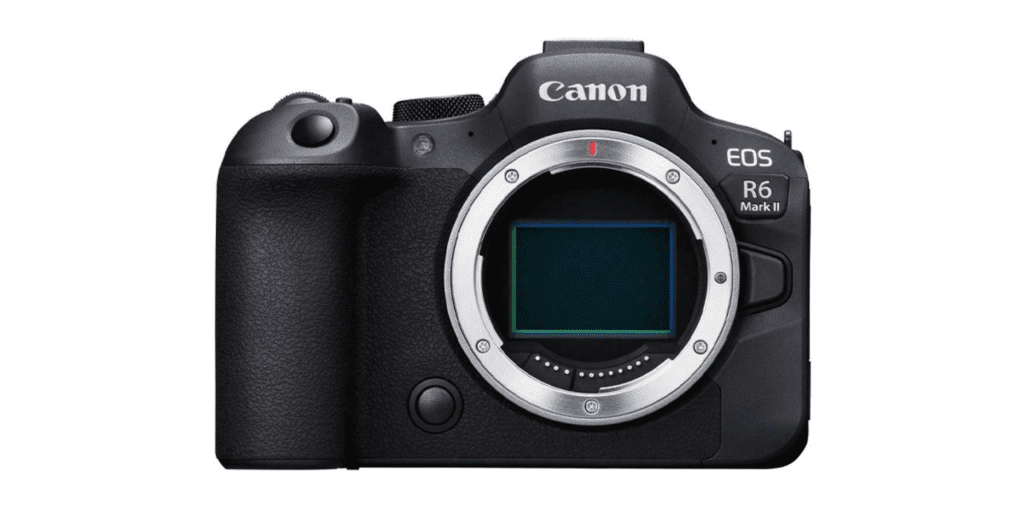
Table of Contents
Full Frame vs Crop Sensor: Key Differences
Full frame and crop sensor cameras differ primarily in sensor size. Full frame sensors measure 24mm x 36mm, matching the dimensions of 35mm film. Crop sensors, such as APS-C, are smaller, typically about 30% less in size. This size difference has an impact on several aspects of photography.
Field of view is significantly affected by sensor size. A full frame camera captures a wider angle of view compared to a crop sensor using the same lens. For instance, a 35mm lens on a full frame camera behaves like a 55mm lens on a crop sensor body. Creating a narrower field of view.
Depth of field control also varies between these sensor types. Full frame cameras generally offer shallower depth of field, which is particularly beneficial for portrait photography. This allows for more pronounced background blur, or bokeh, when using wide apertures.
Light sensitivity is another area where full frame sensors have an advantage. Their larger surface area allows them to capture more light, resulting in better low-light performance and potentially less noise at higher ISO settings.
Benefits of Going Mirrorless
Mirrorless cameras have revolutionised the photography world, offering several advantages over traditional SLRs. Their compact and lightweight design makes them ideal for travel and long shoots, reducing fatigue and allowing photographers to focus on capturing stunning images. These cameras excel in fast and silent shooting, with higher frame rates and less noise, making them perfect for wildlife, event, and street photography where discretion is crucial.
Electronic viewfinders provide real-time previews of images with applied settings, helping photographers visualise the final result before pressing the shutter button. The electronic shutter enables completely silent shooting, which is invaluable for photographing nervous wildlife or quiet events. Additionally, mirrorless cameras offer faster continuous shooting speeds, with some models capable of up to 30 frames per second, matching the performance of professional cameras at a fraction of the cost.
Who Should Consider a Full Frame Mirrorless Camera?
Full frame mirrorless cameras are ideal for photographers who prioritise image quality and low-light performance. These devices excel in uncontrolled lighting conditions, offering cleaner images with more dynamic range. Professional photographers often choose full frame cameras for their superior image quality and versatility.
Serious enthusiasts looking to elevate their photography should consider full frame mirrorless cameras. They provide advantages like enhanced bokeh and better performance in challenging lighting situations. However, it’s crucial to weigh these benefits against factors such as portability and cost.
Photographers who frequently shoot in studios or controlled environments may find full frame mirrorless cameras particularly beneficial. However, those who prioritise mobility or shoot in rugged conditions might prefer more compact options. Wildlife photographers, for instance, might opt for crop sensor cameras for the extra reach they provide.
Making the Transition: What to Expect
Full frame mirrorless cameras have a significant influence on the world of photography, offering a unique blend of compact design and top-notch performance. These cameras provide advantages in image quality, low-light performance, and depth of field control, making them a compelling choice for professionals and serious enthusiasts. However, the decision to invest in a full frame mirrorless camera depends on individual needs, shooting style, and budget considerations.
In the end, the worth of a full frame mirrorless camera boils down to personal requirements and photographic goals. For those looking to take their photography to new heights and who value image quality above all else, these cameras offer a powerful tool to create stunning images. Yet, it’s crucial to weigh the benefits against factors like portability and cost to make sure the investment aligns with your photographic journey and ambitions.





looks a beauty – photography has never been a strong point with me – can see why others would love
I am terrible with photography my husband was a professional photographer so I do know a lot of the ins and outs of it. He even tried to teach me once which didnt go very well
That old saying about learning something new every day applies after reading this post. Although I probably won’t need a full frame mirrorless camera any time soon, at least I know what they are now so can have an intelligent conversation about them when I next invest in a new camera. I am always amazed at the benefits that new technology brings to our lives.
Camera technology is amazing, just when you think that they have it done, something new comes along
Cameras have changed and developed so much! The latest technology that they include is amazing!
My husband was a professional photographer, he used to have his main go to pro camera but was always looking at or buying new ones as they offered something different in the technology