

(Source: https://pixabay.com/photos/asian-smile-anterior-teeth-veneer-3672997/)
A confident smile can change how you feel about yourself. It can influence first impressions, improve self-esteem, and make social interactions more comfortable. Yet many people feel unhappy with chipped, stained, uneven, or slightly crooked teeth.
Modern cosmetic dentistry offers several ways to improve smile appearance, but two treatments consistently stand out. Porcelain veneers and composite bonding are among the most popular cosmetic dental treatments available today. Both can transform your smile, but each comes with distinct advantages, costs, and long-term considerations.
If you are weighing up porcelain veneers vs composite bonding, understanding how these treatments work can help you make an informed decision.
Table of Contents
Understanding modern cosmetic dentistry solutions
Cosmetic dentistry focuses on improving the appearance of teeth while supporting oral health. Treatments range from teeth whitening and tooth reshaping to complete smile makeover procedures. While restorative dentistry often addresses function, cosmetic treatments focus on enhancing dental aesthetics and helping patients achieve a more confident smile.
Many patients who are considering orthodontic treatment also explore options such as invisalign in Croydon to address alignment concerns before moving forward with cosmetic enhancements. Straightening teeth first can create a stronger foundation for future smile enhancement treatments.
The right treatment depends on your goals, budget, and existing dental condition. Some people seek minor cosmetic smile correction, while others pursue a complete teeth makeover. At cosmetic dental clinics such as Feel Good Dental, patients can discuss options such as porcelain veneers and composite bonding before deciding which treatment best suits their smile goals.
What are porcelain veneers?
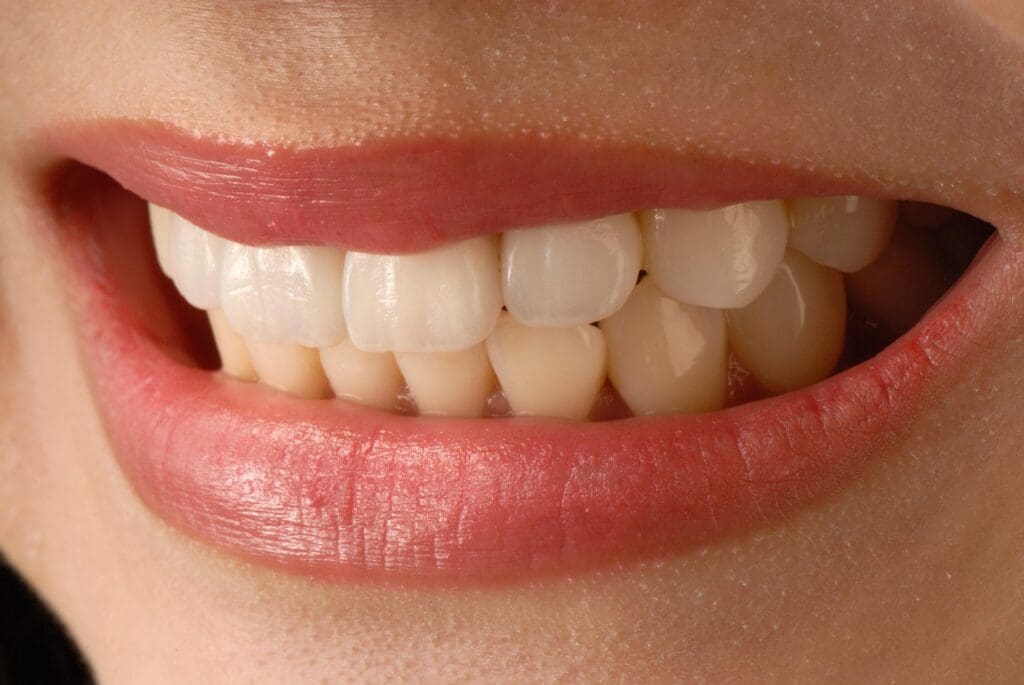
Porcelain veneers are thin, custom-made shells that are bonded to the front surface of teeth. They are designed to improve colour, shape, size, and alignment while creating a more harmonious smile. As one of the most popular types of dental veneers, porcelain restorations are known for their durability and highly realistic appearance.
Many patients choose veneers in Croydon because they offer a versatile solution for a range of cosmetic concerns. A porcelain veneer treatment typically involves preparing the teeth, taking detailed impressions, and fitting custom porcelain veneers that are designed specifically for each patient.
Porcelain veneers can address several aesthetic concerns at the same time. They are commonly used as veneers for chipped teeth, veneers for stained teeth, and veneers for crooked teeth when the alignment issues are minor. They can also improve uneven spacing, worn enamel, and irregular tooth shapes. This versatility makes them a popular option for patients seeking a complete smile makeover.
One of the reasons porcelain veneers remain highly sought after is their ability to create natural looking veneers that closely resemble real tooth enamel. Porcelain reflects light in a similar way to natural teeth, which contributes to a seamless appearance. In addition, durable dental veneers are highly resistant to staining, allowing patients to maintain a bright smile for years. With proper veneer maintenance, many patients enjoy long lasting veneers that continue to deliver excellent cosmetic dental results for more than a decade.
What is composite bonding?
Composite bonding, also known as dental bonding or tooth bonding, uses tooth-coloured composite resin to reshape, repair, or improve the appearance of teeth. The composite bonding procedure involves carefully applying the material to the tooth surface before sculpting and polishing it to match surrounding teeth.
Unlike porcelain veneers, composite bonding can often be completed in a single appointment. This convenience makes it one of the most accessible cosmetic dental solutions available. Patients who want to repair chipped teeth cosmetically or make minor improvements to their smile frequently consider composite resin bonding as a practical option.
Composite bonding benefits extend beyond convenience. The treatment generally involves less preparation of the natural tooth structure, making it a form of minimally invasive cosmetic dentistry. It is also typically more affordable than porcelain veneers, which appeals to patients who want noticeable improvements without a significant upfront investment. If damage occurs, cosmetic dental bonding can often be repaired quickly without replacing the entire restoration.
Porcelain veneers vs composite bonding: Key differences
When comparing porcelain veneers vs composite bonding, the most significant differences involve materials, aesthetics, durability, and long-term value.
Porcelain veneers are crafted in a dental laboratory using advanced ceramic materials. This process allows for exceptional precision and natural aesthetics. Composite bonding, by contrast, is sculpted directly onto the tooth using resin material. While modern bonding can achieve attractive results, porcelain generally offers superior translucency and realism. This is one reason many patients consider porcelain to be among the best veneers for teeth.
Durability is another major consideration. When discussing bonding vs veneers durability, porcelain consistently performs better over time. The average veneers lifespan often ranges from 10 to 15 years or longer with proper care. Composite bonding lifespan is usually shorter and may require repairs or replacement after several years. For patients seeking durable smile solutions and long term dental aesthetics, porcelain often provides a stronger long-term outcome.
The treatment process also differs. The veneers procedure usually requires multiple appointments because the restorations are custom fabricated. Composite bonding can often be completed in a single visit, making it attractive for those who prioritise convenience and faster results.
Cost comparison: Porcelain veneer cost vs composite bonding cost
Cost is often a deciding factor when comparing cosmetic dental procedures. The porcelain veneer cost is typically higher than the composite bonding cost because each veneer is custom-made and requires laboratory fabrication. This additional level of craftsmanship contributes to the overall investment.
However, evaluating veneers vs bonding cost involves more than comparing initial fees. Patients should also consider expected lifespan, maintenance requirements, repair frequency, and replacement costs. While composite bonding may appear more affordable at first, repeated repairs and replacements can increase costs over time.
For many patients, porcelain veneers represent a worthwhile veneers investment because of their durability, stain resistance, and longevity. The higher upfront cost can often translate into better value over the long term.
Which treatment is best for different dental concerns?
The ideal treatment depends on the specific issue being addressed. For severe staining and tooth discolouration treatment, porcelain veneers often provide more predictable and lasting results because they completely cover the visible tooth surface. Their stain-resistant properties help maintain a bright appearance even years after treatment.
For chipped teeth, both options can be effective. Minor chips may respond well to composite bonding, while larger defects often benefit from porcelain restorations. Patients seeking veneers for chipped teeth frequently choose porcelain because of its durability and ability to blend naturally with surrounding teeth.
When addressing minor alignment concerns, veneers for crooked teeth can improve appearance without orthodontic treatment. However, more significant alignment issues may require orthodontic care before cosmetic enhancement. This approach often produces a more stable and attractive outcome.
Who should choose porcelain veneers?
Veneer candidates are often individuals who want a professional smile makeover and are looking for long-term cosmetic improvements. Patients who desire a beautiful natural smile, enhanced symmetry, and lasting cosmetic dental restoration frequently find porcelain veneers to be an excellent option.
Custom porcelain veneers are particularly appealing to those who want to address multiple concerns simultaneously. Whether the goal is correcting discolouration, reshaping teeth, closing gaps, or improving alignment, veneers can support a comprehensive smile transformation dentistry plan.
Who should choose composite bonding?
Bonding candidates are often people with minor cosmetic concerns who prefer a more conservative approach. Patients seeking affordable cosmetic dentistry or quick cosmetic improvements may find composite bonding more suitable.
Because the treatment preserves more natural tooth structure and usually requires less preparation, it appeals to those who value minimally invasive procedures. Composite bonding can also be an effective solution for front tooth bonding where only small aesthetic corrections are required.
How digital smile design helps treatment planning
Advances in digital smile design have transformed modern cosmetic dentistry. Dentists can now use digital technology to create visual simulations of expected results before treatment begins. This allows patients to see potential improvements and participate more actively in treatment planning.
Smile design technology helps create custom smile solutions that align with each patient’s facial features, preferences, and treatment goals. Working with a cosmetic dentist who uses digital planning tools can improve communication, enhance accuracy, and contribute to more predictable cosmetic dental results.
Are porcelain veneers worth it for your smile goals?
Many patients ask, are porcelain veneers worth it? The answer depends on individual priorities. Those who value durability, stain resistance, and premium aesthetics often find porcelain to be the stronger long-term choice. Patients focused primarily on affordability and convenience may lean towards composite bonding.
Both treatments can transform your smile, improve confidence, and support healthy smile transformation goals. The key is selecting the option that aligns with your expectations, lifestyle, and budget.
Is porcelain veneers the right investment for your perfect smile?
Choosing between porcelain veneers and composite bonding begins with understanding what you want to achieve. Consider the appearance you hope to create, how long you expect results to last, and how much maintenance you are willing to commit to over time.
A dental veneer consultation with an experienced cosmetic dentist can help you evaluate your options, review veneers before and after examples, and determine which treatment is best suited to your smile goals. By carefully comparing porcelain veneers vs composite bonding, you can make a confident decision that supports lasting dental smile enhancement and delivers the smile you have always wanted.
Before going ahead with any dental work, make sure you get recommendations from people you trust , such as family and friends. Do your research online, which is a great way to find cosmetic dentist London. You will find MaryleboneSmileClinic, where you will be able to research more.


I would love either! A nice smile is something we’d all like.
Everyone loves a nice smile
I would love to have beautiful white teeth! Just need some money first!
I would love to have a dazzling smile as well
Porcelain veneers look so natural and beautiful!
would love Porcelain veneers but we’ll out of my free cash zone – they look beautiful
I would love them as well