

If your home is not adequately insulated, you can expect to lose around half of your heat. This isn’t a nice thought when winter is just around the corner. Rather than turning up the thermostat, and consequently increasing your utility bills. Your money is better spent on getting your home insulated. Read on for some tips and advice.
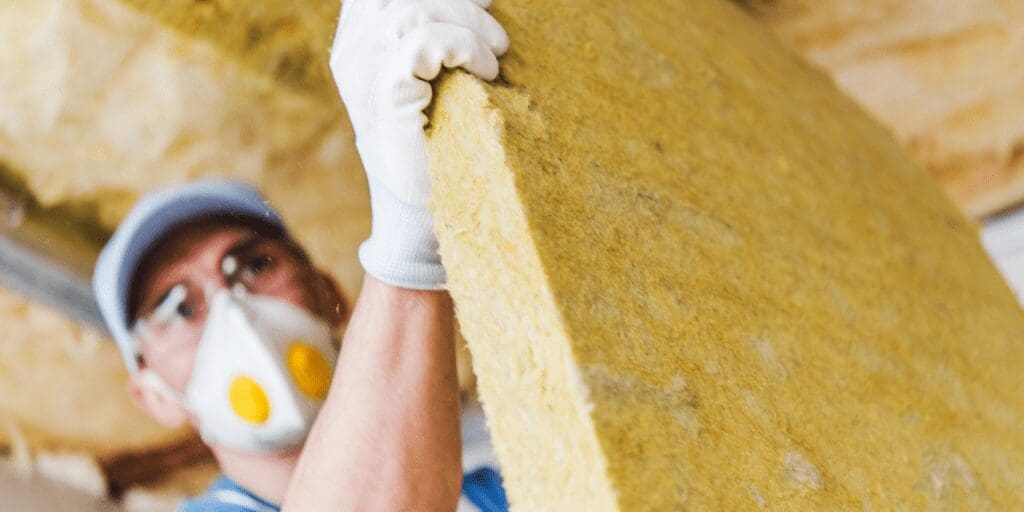
Table of Contents
Loft Insulation
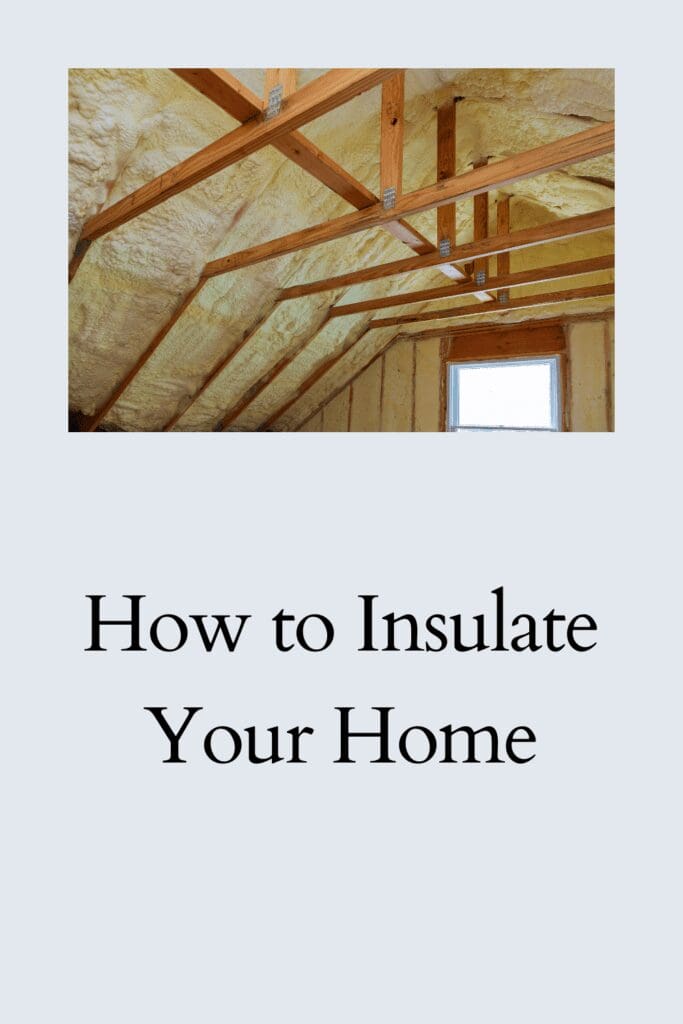
Loft insulation is probably the most efficient, affordable and simple option. You don’t even need any experience to lay it, it’s that straightforward! Foil insulation is a fantastic choice because it’s lightweight and easy to instal with staples and timber battens. It will keep the heat in during winter and the heat out during summer. As well as the loft or attic. It’s also wise to insulate your flat roof, cavity walls and even the floor. In fact, insulating the floor of rooms that are above unheated spaces, such as the garage, is a highly effective option.
Draft Proofing
Draught proofing is a cheap and effective way to stop heat escaping and stop letting cold air in. However, when draught proofing, try not to block any intentional ventilation systems because doing so will create a new set of problem; you need to keep the air flowing around your home so that it stays fresh, dry and healthy. You can buy cheap, self-adhesive foam strips to stick around the window frames and cover any gaps. A letterbox flap or brush is also handy at stopping heat escaping through the front door.
Little changes here and there can make a big difference to your property, but don’t rule out getting the help of a professional. Although this will be more costly than DIY tasks, it will help you save money in the long run and is therefore well worth the investment.



Minor building works have proved problematic with insulation in the past. A new bathroom revealed the reason that I could feel the wind blowing around my legs despite good roof insulation and draught proofing: the builder had neither sealed nor insulated the small circular area in the external wall that the pipes exited. A similar issue arose with the new boiler in the kitchen: it was so cold until I filled and insulated those tiny gaps.
That would have made me so miserable to be so cold, just knowing what it is like if the heating isn’t on. I am glad you have fixed it now