

This is a collaborative post
Every kitchen tells a story, but behind the meals and family moments comes an unwelcome guest—food waste. Leftover scraps pile up, bins overflow, and unpleasant smells creep in. What should be the heart of the home often turns into a stressful space to manage.
This is where modern garbage disposals come in. Compact, reliable, and easy to use, they turn messy food waste into a cleaner, more manageable process. By grinding scraps safely and efficiently, they reduce odors, save time, and support a fresher kitchen environment. More families are discovering how this small device can make a big difference in everyday life.
In this article, we’ll explore how these systems work, their benefits, and why they’re becoming a must-have in modern homes.
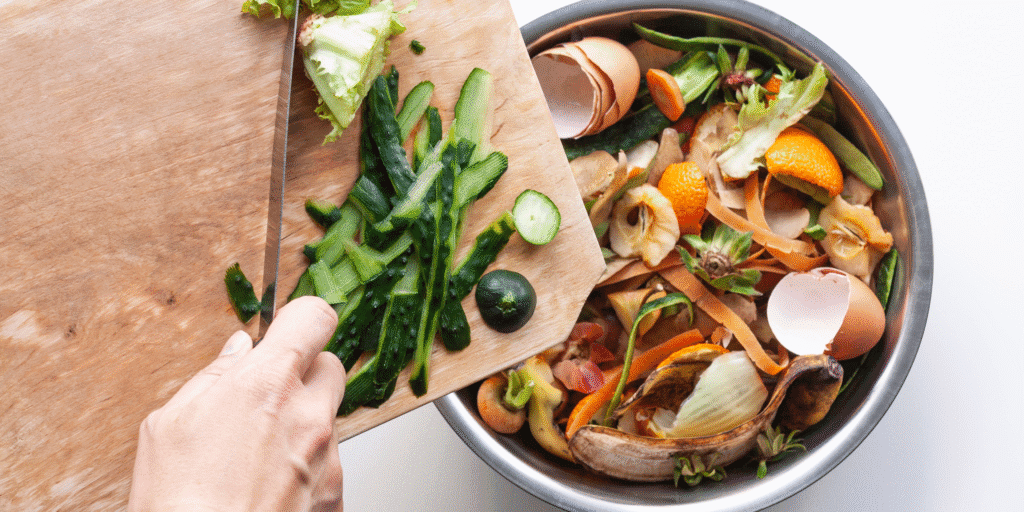
Table of Contents
The Everyday Problem with Food Waste
Leftover scraps do more than fill the bin. They attract pests, create strong odors, and leave kitchens feeling untidy. When bins overflow, waste often sits around longer than it should, spreading smells into nearby rooms.
These problems don’t just affect hygiene—they also increase stress. Families juggling work, school, and home care already have full routines. Adding smelly bins and extra clean-ups makes the kitchen feel less inviting. That’s why many households are searching for smarter solutions to handle food waste without extra effort.
How Garbage Disposals Work
A garbage disposal is designed to handle food scraps in seconds. It uses a grinding mechanism that breaks down waste into fine particles. These particles are then flushed away with water through the plumbing system. Unlike common myths, there are no sharp blades inside—just safe, powerful components that use centrifugal force to do the work.
Most models include features that prevent jams and keep the operation simple. They also use very little water and electricity, making them an efficient choice for households that want convenience without high running costs.
For reliable solutions, many households rely on InSinkErator garbage disposals, which combine simple operation with long-term durability. These units are also backed by strong warranties and trusted service support, giving homeowners peace of mind with every use.

Key Benefits for Homeowners
The biggest advantage of having a disposal is faster clean-up. Instead of scraping plates into a bin, families can send scraps straight into the sink unit. This saves time after meals and keeps worktops clear.
Another benefit is freshness. Because scraps don’t sit in bins, there’s less odour in the kitchen. This makes the space more pleasant and welcoming, especially in open-plan homes.
Disposals also reduce the amount of waste heading to landfill. By grinding scraps into small particles, they ease the burden on household bins and help keep outdoor areas cleaner. For busy families, this means fewer bin bags to carry and less worry about pests.
Finally, the convenience factor cannot be overstated. From quick breakfasts to large family dinners, clean-up becomes less of a chore and more of a smooth routine.
Environmental Impact of Garbage Disposals
Beyond convenience, disposables play a role in sustainability. When food waste goes to a landfill, it breaks down without oxygen and produces methane—a greenhouse gas that contributes to climate change. By diverting scraps through disposals, households reduce the amount of waste that ends up in these sites.
Some local councils even encourage this method because it works alongside recycling and composting programs. In many areas, wastewater treatment plants can process ground food waste and convert it into renewable energy or fertiliser.
For eco-minded households, installing a disposal isn’t just about a cleaner kitchen—it’s a step toward reducing environmental impact. A simple change at home can support broader waste-management goals and create a greener community.
Tips for Everyday Use and Care
Getting the most out of a disposal is all about simple habits. Always run cold water before, during, and after using the unit to help move waste through the pipes.
Avoid putting in items like grease, fibrous vegetables, or bones, which can cause blockages or strain the system. Instead, stick to everyday food scraps such as fruit peels, bread, or cooked leftovers.
For easy cleaning, drop in a few ice cubes or citrus peels now and then. This helps freshen the unit and keep it running smoothly. With just a little care, a disposal can last for years while keeping the kitchen fresh and efficient.
Conclusion
Food waste is an unavoidable part of cooking, but it doesn’t need to create stress. Modern garbage disposals transform how households handle scraps, reducing odors, speeding up clean-up, and even lowering environmental impact.
They bring together convenience and practicality, making the kitchen a more pleasant space for families. For homeowners who want less mess, fewer pests, and a greener lifestyle, this small device can be a big help. Investing in a disposal today means enjoying a kitchen that stays cleaner, fresher, and more enjoyable every single day.




something i would consider wheni have kitchen updated – sound great
They do sound great