

A phrase you may have heard floating around is stem cell banking. But what is it?
This article will hopefully go some way to explaining what stem cell banking is. Keep reading if you want to find out more.
Table of Contents
Stem Cells

First though, before we get into banking them, here is a quick introduction to what a stem cell is.
Stem cells are pretty amazing little things. They are the building block for other cells. They can become muscle cells, blood cells, nerve cells and other more specialised cells under the right conditions in the body or lab.
No other cell in the body has this ability.
And as if that didn’t make them special enough. These fantastic cells can be used for medical therapies and treatments in over 80 different conditions worldwide. Clinical trials are showing the potential for further treatments that can be done using stem cells.
When it comes to these treatments people usually have to join a wait list for a donor. This donor needs to be a perfect or close match to the recipient so that the body doesn’t reject them. Waiting for a donor can take some time.
What if there was a way to store stem cells from the day a baby is born to give them access to a 100% match? This is where stem cell banking comes in.
Banking Your Baby’s Stem Cells
Storing or banking your baby’s stem cells is different to donating the placenta and cord blood. When you donate your placenta to research or to have the stem cells stored these can be used by anyone on the donor list. An amazing thing to do for sure.
The issue with the donation is that it isn’t always something a hospital will do. The alternative is private stem cell banking which is more widely available.
If you choose private, you give your child and your family a potential safety net. Cells4Life is a stem cell storage bank that collects and stores your baby’s cord blood, tissue and/or placenta exclusively for your use.
How does it Work?
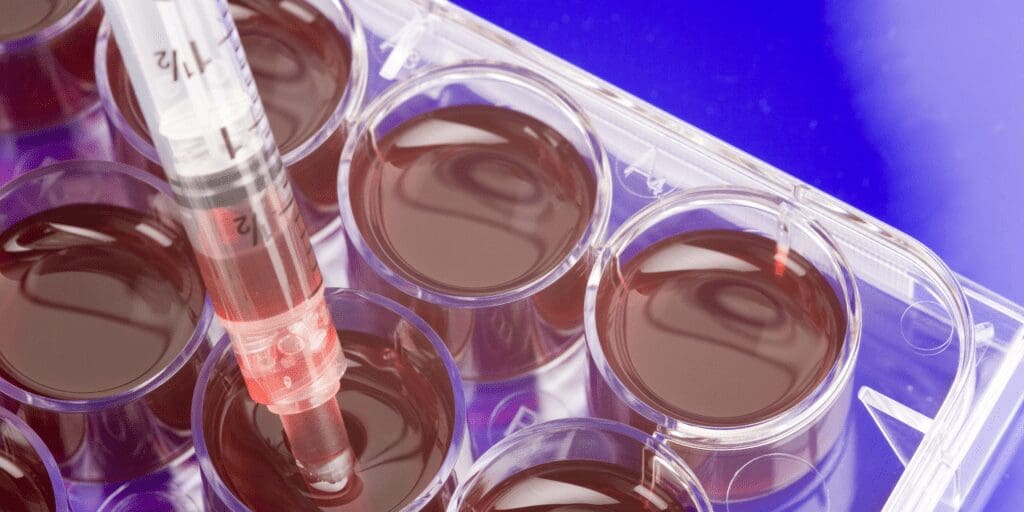
First things first, you should know, that collecting the cord blood and tissue is a completely non-invasive procedure that happens after the cord is clamped and the placenta is delivered. It is also 100% compatible with delayed and optimal cord clamping and shouldn’t interrupt any part of your birth plan.
A specially trained phlebotomist will be in charge of collecting your samples. Once the baby is born, in a separate room, the phlebotomist will be collecting all of the requested samples – blood, tissue and/or placenta – using a kit that you will be provided with.
So, on the day you go into labour, you or your partner need to grab the kit and call the phlebotomist and then all you need to focus on is bringing your baby into the world. Everything else will be sorted for you.
Is it worth it?

These little cells can do amazing things so don’t let them go to waste. Often if not donated or stored the placenta, cord and blood are disposed of as medical waste.
Private cord blood banking does cost money and with the above overview, it is entirely up to you if you believe it to be worth it. However, having access to these stem cells provides your baby, their siblings and potentially other family members access to treatment quicker than having to wait on a donor list.



I had never even thought of this. A very interesting read!
I had never thought of it before either, and found it interesting
I was really upset when we found out that our hospital couldn’t donate the placenta and cord. With my first birth it was because it was too complicated so they did not have time to sort it out. With my daughter they said the phlebotomist was not in that day to collect it so we just watch them throw it away. Really sad
I had not really thought of this when having my daughter, to be honest just having her and holding her was what I wanted and needed. It is such a shame that it is not offered and your wishes not followed
This is so amazing, if they did this on the nhs it could save so many lives
I know, it really is something that they should look at
Years ago I was sceptical ! Now I think its a great idea
I honestly had never thought about it, but it is such a great idea
I was actually going to do this when my son was a baby, I looked into it in depth and it is an amazing thing but it really does cost a lot of money so we couldn’t afford it but if things had of been different I would have definitely done this.
I had never thought of it before, but it really is such a great idea
A really worthwhile thing to do if you can, stem cell research has been a lifesaver
It has been a lifesaver, and it is something I think should hopefully become more affordable