

A 2019 survey by the British Nutrition Foundation (BNF) found that 32% of primary school children didn’t get enough sleep the previous night. Children risk developing obesity and unhealthy eating habits when they get less sleep than the ten hours recommended by the NHS. They may also be at risk of falling behind in their academic performance. As a parent, it is essential to help your child fall asleep faster so the child can develop healthy sleeping habits. That, sadly, is one task that many parents find daunting. This article describes several Top Tips To Help Your Child Fall Asleep Faster
Table of Contents
Investigate Why Your Child Doesn’t Fall Asleep Faster
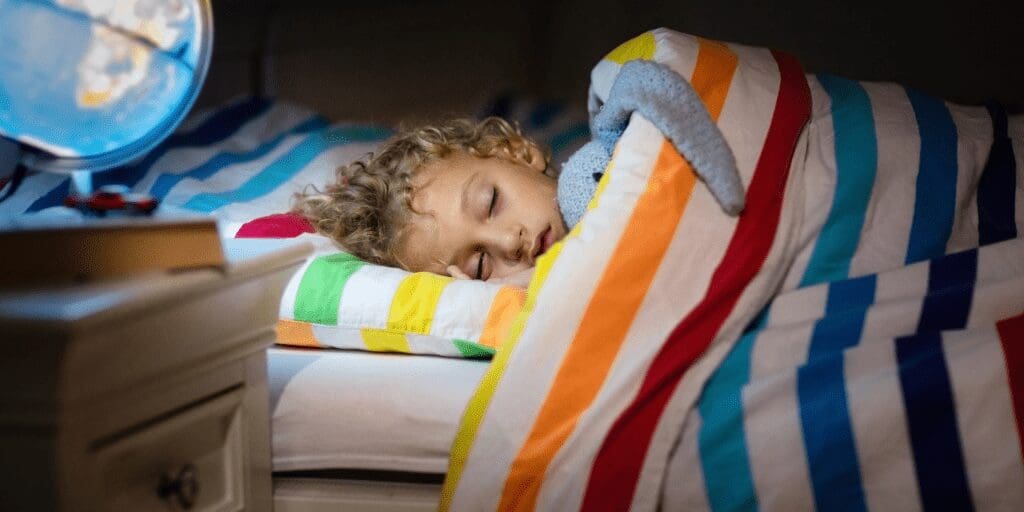
From birth, children can sleep for long periods without interruption. They mainly require a few minutes of cuddling or breastfeeding to fall asleep. But as they develop, their sleep pattern changes slightly, and they tend to take more time before falling asleep. A few exceptions are when they are sick or tired after exerting energy. But there may be other reasons why children don’t fall asleep faster, and it is up to you as a parent to carefully observe the child and find that reason. Is your child hyperactive even far into the night? Do you allow your child to use tech before bed? Are there any medical conditions that disturb your child’s sleep pattern? How about nightmares? Take time to understand the why, and you can find a solution.
Watch Their Meals, Especially Dinner
You are what you eat holds even for little children. There is a strong correlation between diet and sleep patterns. Some foods may cause your child to stay up late or find sleep difficult. Some other foods may keep your child tired all day. If you have a baby, your food intake as the mother can impact the child’s sleep. It is necessary to prepare and monitor their food and eating habits carefully. You should prepare light meals for dinner and ensure they don’t eat what could keep them awake all night. You should also monitor their portions to ensure they don’t develop stomach discomfort.
Use Comfortable Bed And Bedding
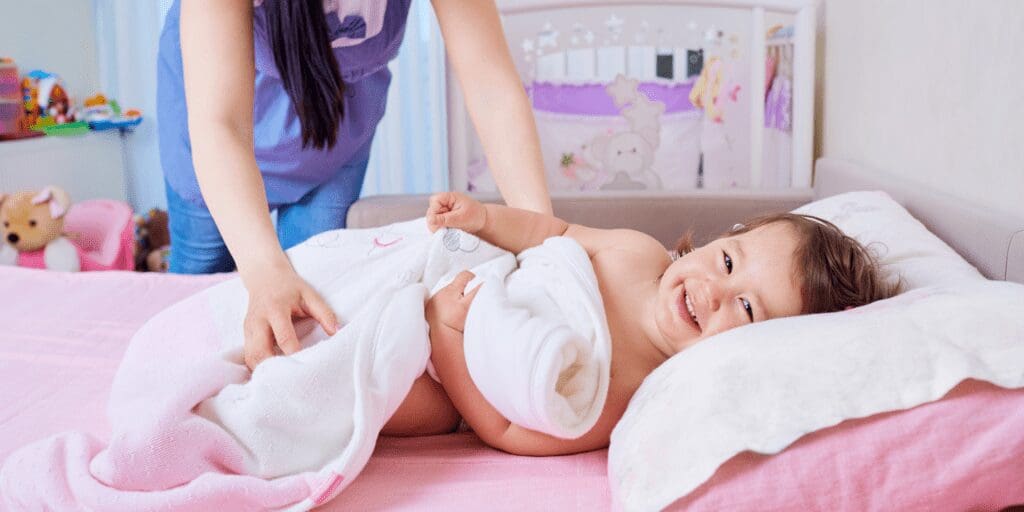
The type of bed and bedding that your child uses could impact their sleep pattern. Beddings with bumps or tough beds may cause your child poor sleep. Pillows, for example, may be uncomfortable if placed at an odd angle. If that happens, your child may find it difficult to fall asleep. Experts recommend comfortable beds and beddings for young children. You should use comfortable beddings, considering the unique needs of your child. If your child, for example, loves to hold something when sleeping, it might help to add a small pillow or stuffed toy for the child to have. If you want a comfortable children’s bed, consider a cabin bed from The Children’s Bed Shop.
Establish A Routine Sleep Pattern
Humans are creatures of habits; good sleeping habits are easy to form. You can help your child sleep better by establishing a routine sleep pattern. Set a fixed time for sleeping and waking for your child, and stick to that routine. Of course, there’ll be exceptions but keep them to the barest. Your child might feel uncomfortable with the set pattern, but as the routine settles in, the child will naturally regard that time as sleeping or waking time. Gradually, the child’s body system adjusts to the routine. You should also set a pre-sleep and post-sleep pattern, such as taking a shower or washing before bed and waking. While that could help them learn to form good habits, it creates a mental signal for their body to get ready for bed or for waking. Try not to change the routine unless necessary, as doing that could disrupt the child’s sleep pattern, making the child fall asleep later.
Design The Bedroom Appropriately
Bedroom design can impact children’s sleep. When designing your child’s bedroom, you must consider how colours and furniture affect their sleep. If your child is easily scared, it would be inappropriate to use designs that depict fearsome animals or creatures. You should go for designs that make your child feel calm and comfortable. Colours are also important. There are creative ways to use colours for your child’s bedroom to help them fall asleep faster.
Use Appropriate Lighting
Lights can impact how we sleep. As an adult, few things are more annoying than having your sleep interrupted by the harsh glare of bright lights. Babies and children are also easily irritated by bright lights when asleep. That is why you should carefully select bedroom lighting. Use soft and dim lights for your child’s bathroom and bedroom. Remove green, yellow, and bright lights from the room.
Limit Screen Time Before Bed

More children now have access to mobile devices, and there is a correlation between increased screen time before bed and reduced sleep time. Mobile devices could prevent your child from falling asleep faster in two ways. First, your child might stay up late to use their phones or tabs, and then the screen light can slowly affect the child’s sight while causing late sleep. You should keep a strict screen time limit for your child. Experts recommend that children not use phones at least two hours before bedtime.
Read To Your Child
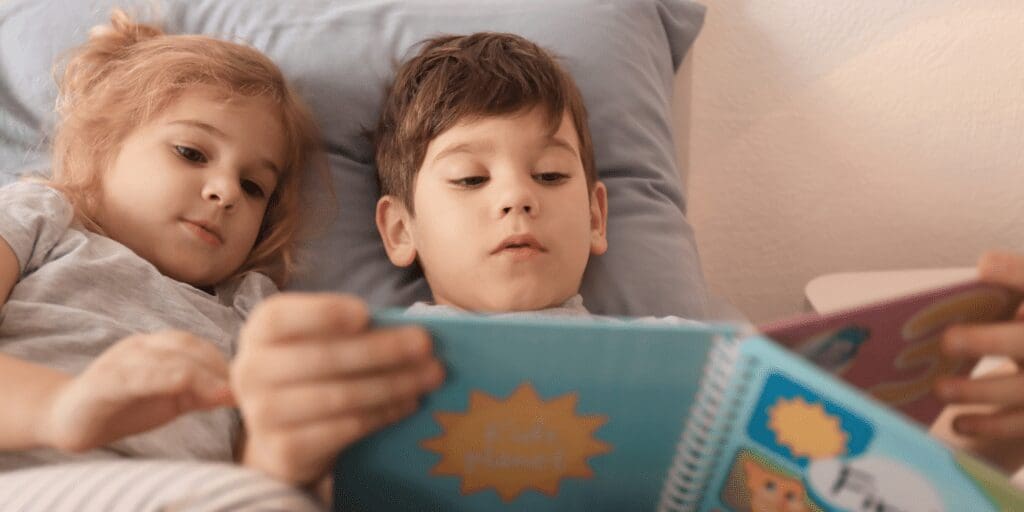
Reading to your child can be a great way to help the child fall asleep faster. You could also bond with your child this way. When you regularly read to your child just before sleep, the child’s biological system begins to associate that action with sleep, which could help the child fall asleep faster. Bedtime stories work just fine; turn up your creativity and help your child fall asleep faster.
Avoid Noise And Distractions
Constant noise could prevent most people from falling asleep. You must avoid sudden and sustained noise from distracting your child before sleep. Sudden noise could also cause panic and trauma, making it difficult for children to fall asleep. Remove toys and items that anyone could hit while walking around the house. Remember to keep your phone’s volume low to avoid distracting your child.





A sleep routine is essential – may have to be firm to establish but will reap rewards
I agree they need the routine
Rountine seems to be key for ours, it goes out window otherwise
I am a firm believer in routine
One of the biggest factors that I’ve noticed influence sleep is the routine. It can make such a big difference. We make sure nothing sugar or heavy is eaten before bed or too near to bedtime too.
I agree, they need a routine and it works well for everyone, plus they get the sleep and rest they need
I agree with all of these. The main ones that worked for me was sticking to a routine. Bath and a bedtime story. And now there older less screen time before bed
They need routine, we always had one and it worked well x
Some really good tips, bedtimes can be such a problem.
Great ideas – a sleep routine is essential for sleep hygiene
I agree a good sleep routine is important
I think routine is the best. We also try to avoid naps now my son is 4 so he gets more tired when it reaches bedtime which is 7pm. Every night it’s bath time, story time and then bed time and he expects it to be the same every night too.
We had the same routine when our kids were little, and my granddaughters have the same routine, which is lovely when they stay over as I love bedtime stories
Some really good tips here, especially on a hot night like tonight.
Great tips mine aren’t to bad as long as they’re active
The key is to get them tired by playing outside as it really does help