

Inheriting money can be both a welcome financial boost and an emotional experience. Particularly following the loss of a loved one. It’s vital to understand the legal framework that governs inheritance in the UK. This includes not only how estates are distributed but also what steps beneficiaries must take to ensure they receive what is due to them legally and efficiently.
If the person who has died left a valid will, the estate will be distributed according to their wishes. The executor named in the will is responsible for applying for probate, settling any debts, paying inheritance tax where necessary. Plus distributing the remaining assets. If no will exists, the estate is dealt with under the rules of intestacy. Which prioritise spouses, civil partners, children, and other close relatives in a fixed order.
Table of Contents
The Probate Process and Your Role
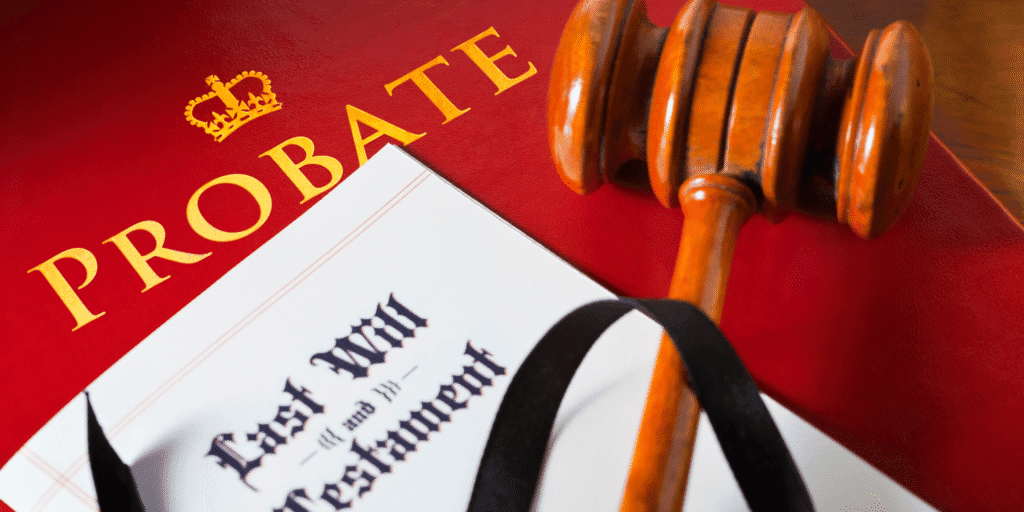
Probate is the legal process of proving that a will is valid and giving authority to the executor to manage the deceased’s estate. In situations where no will exists, close relatives can apply for letters of administration instead. The estate cannot typically be distributed until probate has been granted. Which can take several months depending on the assets involved.
This process includes gathering information about the deceased’s finances, identifying and valuing all assets and liabilities, settling debts, and calculating inheritance tax. Only once these obligations are fulfilled can the remaining estate be legally transferred to the beneficiaries.
Inheritance Tax and Other Financial Considerations

In the UK, inheritance tax (IHT) may be payable if the value of the estate exceeds £325,000. Although there are various exemptions and allowances, including the residence nil-rate band for passing on a home. The executor must submit an IHT account and arrange for payment before the estate can be distributed. This responsibility can be complicated depending on the nature of the assets involved.
It’s important to note that beneficiaries are not normally responsible for paying tax themselves unless they receive specific gifts which carry tax liabilities, or the estate has not accounted for all obligations.
Resolving Disputes and Contesting a Will

Sometimes, issues can arise when a will is unclear, appears to have been made under pressure, or excludes individuals who are expected to be included. In such cases, a will may be contested under the Inheritance (Provision for Family and Dependants) Act 1975. This legislation allows certain people to apply to the court if they believe they were not reasonably provided for.
These types of claims can delay the distribution of an estate and often require experienced legal support. Mediation and negotiation are common, but if agreement can’t be reached, court proceedings may follow. Given the emotional sensitivities involved, clear communication and a calm, structured legal approach are essential.
For many people, working with a local solicitor provides additional peace of mind. For example, those based in Wrexham might find it beneficial to explore what solicitors Wrexham has to offer. Familiarity with the local court system and procedures can be a significant advantage, particularly in contentious cases. Moreover, the opportunity for face-to-face meetings can make it easier to ask questions, receive updates, and feel assured that the case is progressing as it should.
Responsibilities After Receiving an Inheritance

Receiving an inheritance can also bring longer-term considerations. For example, if you inherit property, shares, or investments, you may become liable for future income tax or capital gains tax. It’s also worth seeking financial advice to ensure that the inheritance is used effectively and that your own estate planning is updated in light of any new assets.
In some cases, a beneficiary may wish to redirect their inheritance to someone else using a deed of variation. This can be useful for tax planning or personal reasons, but it must be done within two years of the date of death and agreed by all relevant parties.
Taking the Next Step with Confidence

While inheriting money in the UK generally follows a well-established legal process, it is not without its challenges. Understanding the steps involved, from probate to tax implications and potential disputes, can make the process smoother and less stressful. Working with knowledgeable legal professionals ensures that your rights are protected and that the estate is administered in accordance with the law.
Whether you are an executor managing responsibilities or a beneficiary seeking clarity, sound legal advice can provide the structure and support you need to move forward with confidence.




unfortunately in still having issues with dad’s inheritance since he passes over 2 years ago
really is a massive minefield
just want it finished and let dad rest in peace
We had the same when my grandad died it was a nightmare, I hope it is all sorted soon
I don’t think you should have to have loads of challenges when inheriting money,nor should inheritance tax be taken
Do not get me started on inheritance tax that has been something I have been going on about for years
I must admit that I would not have a clue how to start the whole process!
It is not a nice process and it has reminded me I need to sort my will out
unfortunately dad’s us still ongoing – it’s surprising who crawls out of the woods where money is involved
I’ve made sure my will is exact
It is a very long process and I know what you mean about people thinking they are entitled. I need to sort my will out now again