

Maintaining dental health can be challenging for mothers who are managing multiple responsibilities. However, prioritising oral hygiene benefits personal health and sets a positive example for children. Integrating dental care into a busy routine can reduce stress and contribute to overall family well-being.
Regular dental visits may seem difficult to fit into a packed schedule, but with the right approach, they become easier to manage. Simple strategies can help mothers incorporate dental care without added pressure.
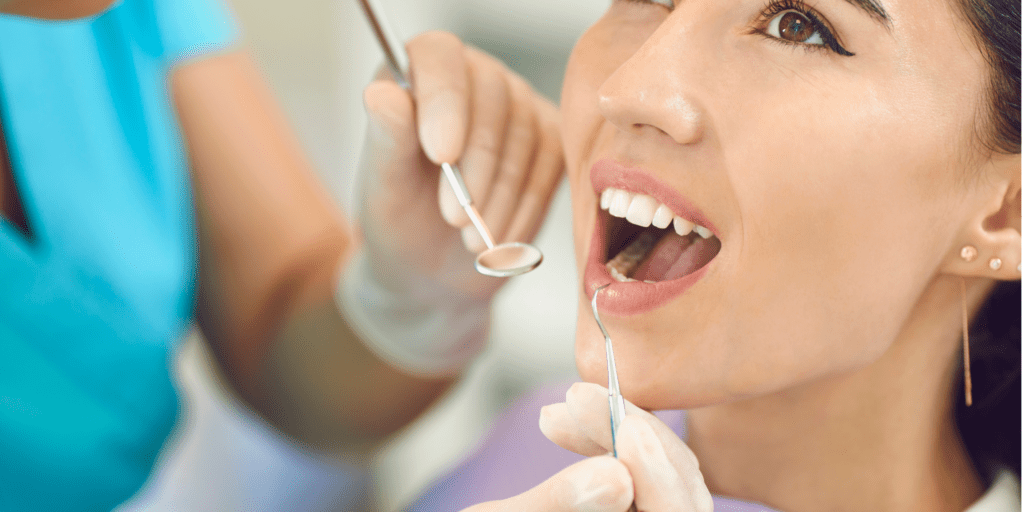
Table of Contents
The Importance of Routine Dental Check-ups
Regular dental check-ups are essential for maintaining long-term oral health. These visits go beyond cleaning; they help detect issues such as cavities, gum disease, and enamel erosion before they worsen. Early intervention prevents more complex and costly procedures later, making routine care a practical approach to dental health.
For busy mothers, scheduling dental visits in advance ensures consistency. Setting reminders and involving children in oral care discussions can instil lifelong healthy habits. Turning check-ups into a shared family experience not only reinforces their importance but also eases dental anxiety for younger members.
When choosing a trusted dental provider, consider the expertise available in Watford. Clinics like Senova Dental offer a comprehensive range of services, including preventive care, cosmetic enhancements, and emergency treatments. Their patient-focused approach and use of advanced technology ensure high-quality care tailored to individual needs.
Prioritising routine dental visits helps maintain healthy smiles and prevents avoidable complications. By making oral health a regular part of the family’s wellness routine, mothers can safeguard both their own and their children’s dental well-being.
Understanding Dental Services Available
Knowing what dental services are available helps in making informed choices about oral health. Each service plays a role in maintaining or restoring dental function, preventing long-term complications, and enhancing appearance.
- Preventive care is the foundation of good oral health. Routine check-ups, cleanings, and fluoride treatments help protect teeth from decay and gum disease. Early detection of cavities, enamel wear, and gum issues can prevent major procedures later.
- Cosmetic dentistry provides solutions for those looking to improve the look of their teeth. Teeth whitening removes stains, while veneers offer a uniform and polished appearance. Straighter teeth contribute to better oral health, reducing the risk of plaque buildup in hard-to-reach areas.
- Restorative treatments address damage caused by decay, injury, or wear. Fillings repair cavities, while crowns protect weakened teeth. Bridges and dentures replace missing teeth, ensuring proper chewing function and jaw alignment.
- Emergency care is vital in cases of sudden pain, trauma, or infections. A prompt response can prevent further damage and relieve discomfort.
Tips for Maintaining Dental Hygiene at Home
Good dental hygiene at home is essential for preventing oral health issues and reducing the need for extensive treatments. Establishing consistent habits benefits both children and adults, making daily routines more effective.
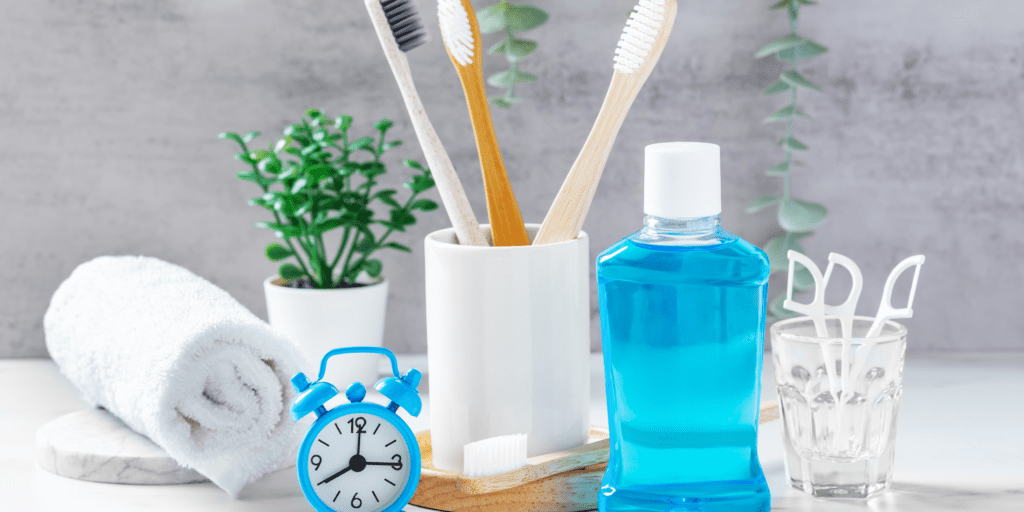
Setting specific times for brushing and flossing helps make oral care a regular part of the day. Using a soft-bristled toothbrush and fluoride toothpaste ensures effective cleaning without damaging enamel. Flossing daily removes debris and plaque from areas a toothbrush cannot reach, preventing cavities and gum disease. For children, turning these tasks into a fun activity, such as using colourful toothbrushes, timers, or reward charts, can encourage consistency.
Diet plays a significant role in maintaining strong teeth. Reducing sugary foods and acidic drinks helps prevent decay and enamel erosion. Encouraging nutrient-rich foods like dairy, leafy greens, and crunchy fruits supports strong teeth and gums. Drinking water after meals helps wash away food particles and neutralise acids.
Educating children about oral health and its long-term benefits builds awareness and responsibility. Explaining how poor hygiene leads to cavities or gum problems can reinforce positive habits.
Balancing Dental Care with a Busy Lifestyle
Managing dental care alongside work, parenting, and daily responsibilities can be challenging. However, integrating oral health into existing routines can help maintain consistency.
Scheduling appointments strategically can save time and reduce stress. Booking check-ups during school hours or lunch breaks or aligning them with other errands helps minimise disruptions. Some clinics offer early morning, evening, or weekend appointments, making it easier to find a convenient time.
Building a relationship with a trusted provider improves communication and allows for better appointment coordination. Regular visits to the same clinic help create familiarity, making check-ups more comfortable, especially for children.
Utilising technology can also simplify scheduling. Many dental practices offer online booking, automated reminders, and digital forms to streamline the process. These tools help prevent missed appointments and make planning more efficient.
Maintaining oral health at home is equally important for families with hectic schedules. Establishing a structured brushing routine, keeping oral hygiene supplies accessible, and choosing quick, healthy snacks that support dental health all contribute to long-term well-being.
Financial Considerations for Dental Care
Understanding the costs associated with dental care helps families plan effectively and avoid unexpected expenses. Knowing what insurance covers is essential. Reviewing policies can clarify which treatments require out-of-pocket payments. Some providers offer family plans that reduce overall costs for preventive care, such as cleanings and check-ups.
Exploring payment options can make treatments more manageable. Many dental offices offer payment plans, allowing families to spread the cost of necessary procedures over time. Discussing these options in advance helps avoid financial strain.
Preventive care reduces long-term costs. Regular cleanings and check-ups help prevent serious issues, reducing the need for expensive treatments like root canals or extractions. Investing in routine care is often more affordable than addressing neglected dental problems.
For families on a budget, community dental programs or discount plans may provide cost-effective solutions. Open communication with dental providers about financial concerns can also lead to customised solutions that fit within household budgets. Planning ensures that quality care remains accessible without unnecessary financial burden.
The Impact of Oral Health on Overall Well-being
Oral health is closely linked to overall well-being, yet it is often underestimated. Poor dental hygiene can contribute to serious health issues such as heart disease, diabetes, and respiratory infections. Bacteria from gum disease can enter the bloodstream, increasing inflammation and affecting other organs. Understanding these risks reinforces the importance of daily oral care and routine check-ups.
For mothers balancing multiple responsibilities, maintaining oral health is not just about preventing cavities. It is a key part of long-term health management. A consistent oral hygiene routine, a balanced diet, and regular dental visits help reduce the risk of systemic diseases. Simple choices, such as limiting sugary foods, staying hydrated, and using fluoride toothpaste, contribute to both dental and general health.
Educating children about the connection between oral and overall health fosters responsibility from an early age. Explaining how gum disease can impact heart health or how poor dental care can lead to infections helps children understand why brushing and flossing matter. Encouraging family discussions about oral health and setting a positive example can lead to lifelong habits that support both dental and overall well-being.


Should always teach children/young adults about looking after their teeth
Totally agree it then becomes second nature
should always be a priority for all
brushing and dental health with regular checkups ensures you keep your teeth for a lifetime
I agree
My children’s teeth were transformed by fixed braces as up until then they had multiple overlapping teeth that made it difficult to clean proerly
It is amazing how dental braces can improve and help our kids teeth